Impact
Our commitments, published and dated.
These are targets, not results. We publish them so that our partners can hold us to account. This page is updated every season.
Updated 24 September 2026.
The context
A country of 12 million people whose median age is 16.
Sources: 2024 census (INSBU); United Nations; ISTEEBU 2020; African Development Bank 2024.
Women first
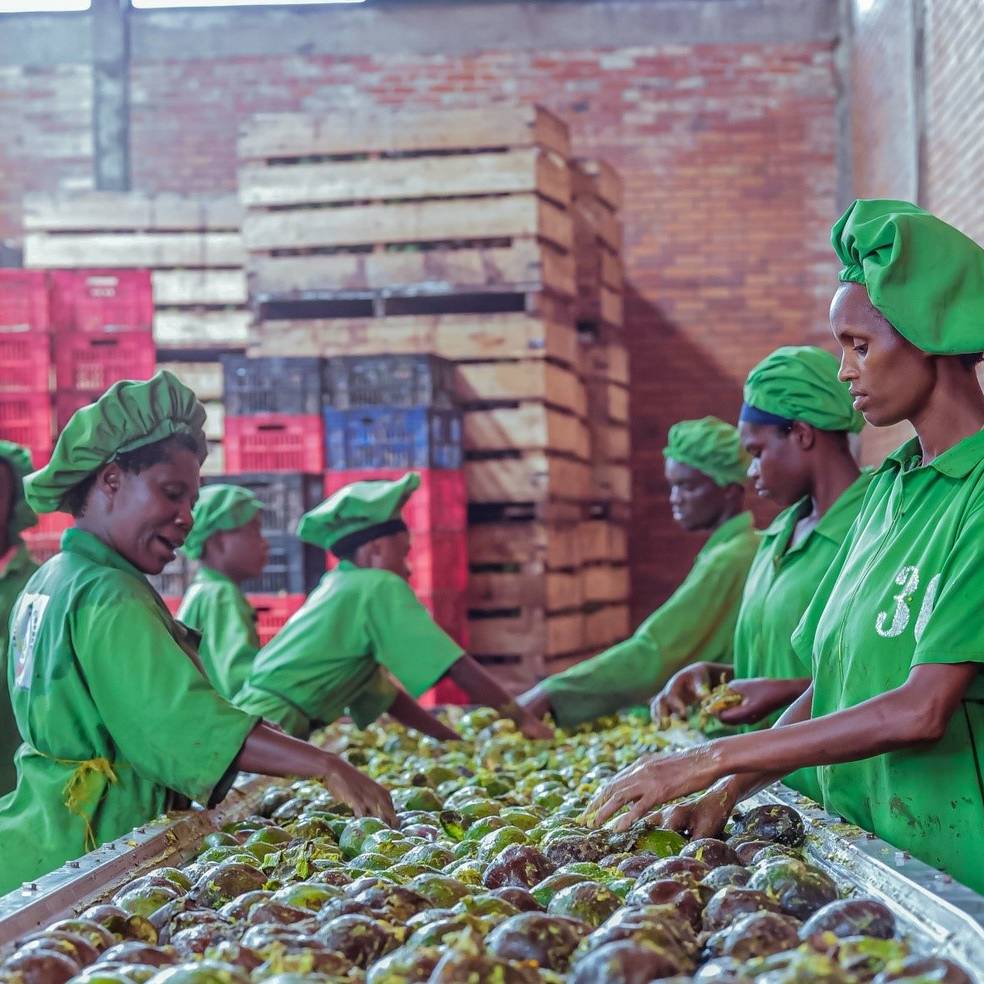
Half of the jobs, on the sorting line, in the laboratory, in logistics and in management.
The commitment covers the jobs created at the plant and the sourcing: GPC works with women-led cooperatives. In Kenya, Olivado’s plant counts 44% women among more than a hundred permanent staff; Burundi’s National Energy Compact wants to raise the share of women in technical energy jobs from 4.4 to 30% by 2030. We aim for half.
Youth and training
One season to go from the sorting line to running a line.
Sorting, food hygiene, laboratory, centrifuge operation, maintenance, export logistics: the skills are learned at the plant, with centrifuge makers’ courses and HACCP and ISO 22000 curricula. The Rusi polytechnic campus — 1,080 places in agro-food processing, electromechanics and green energy, opened in 2022 — is the natural partner for a value-chain academy.
Growers
One more buyer, all year, for all sizes.
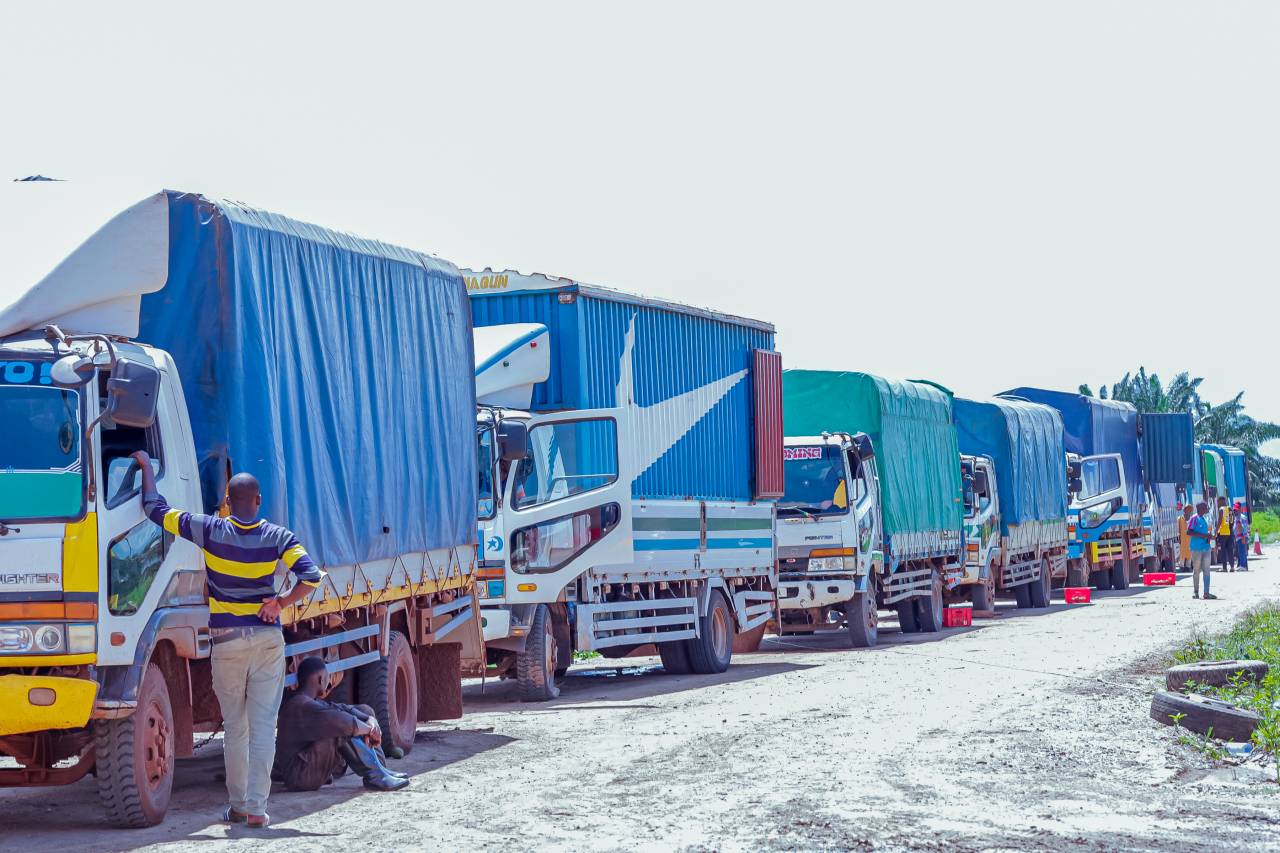
Since growers organised, the price of export fruit went from about USD 0.10 to 0.70 a kilo in one year. A plant that buys all sizes, weighs every delivery and sends compost back to the fields stabilises the hills’ income. GPC works on price and volume management with cooperatives, government and the value-chain associations.
The environment
Every tonne of briquettes spares trees. Every digester captures methane.
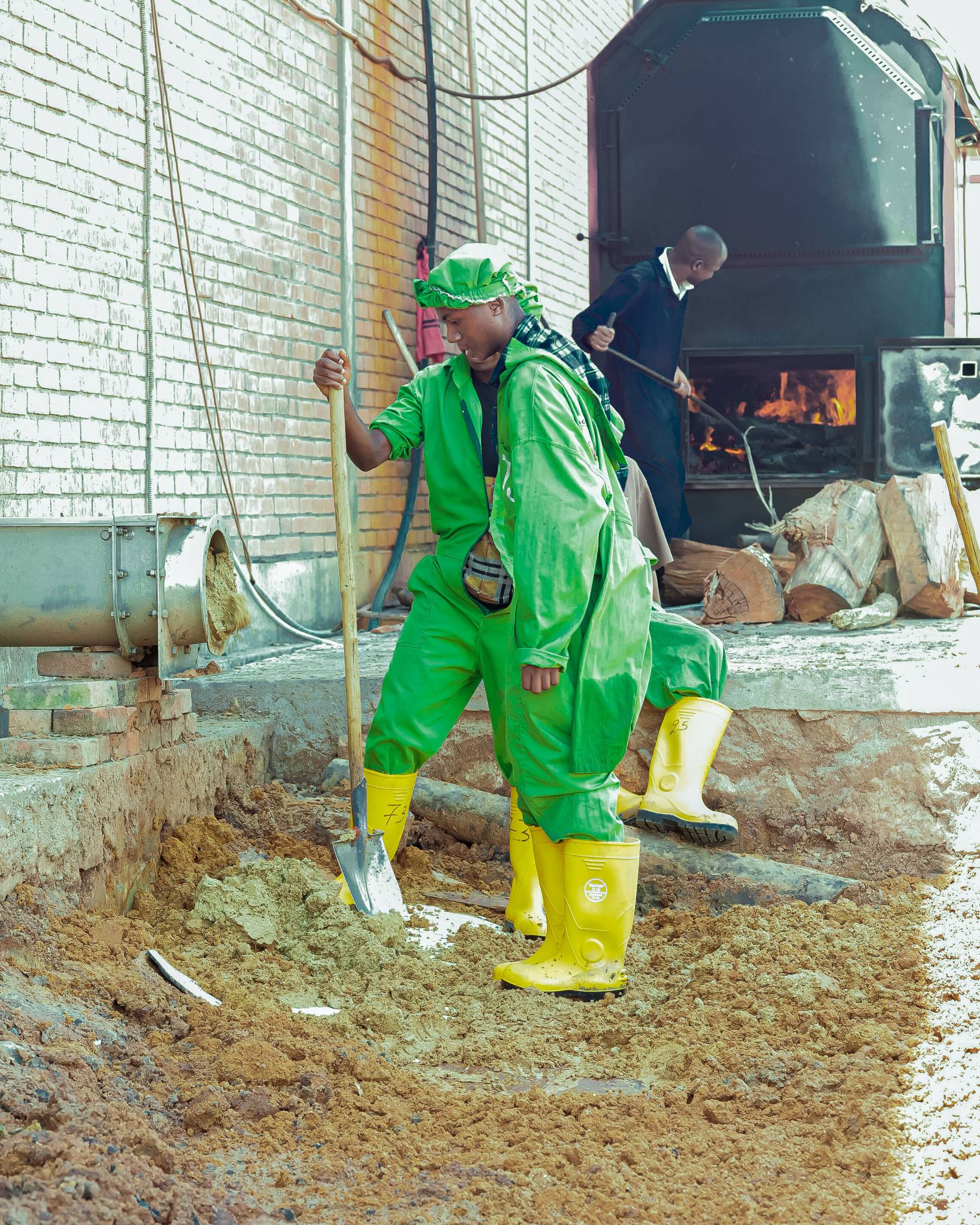
Burundi lost 2,350 hectares of natural forest in 2023; 89% of households cook on three stones and wood and charcoal supply 95% of the country’s energy. Making one kilo of charcoal in a traditional kiln consumes up to 10 kg of wood and emits 7 to 9 kg of CO₂e. The plant’s stone briquettes, compost and biogas attack all three: the trees, the methane from rotting residues, the diesel in generators. Avoided emissions will be calculated on a documented baseline, not announced in advance.
Local value added
Burundi exports avocados at 7 cents a kilo. GPC exports oil.
In 2022, Burundi’s formal avocado exports reached 7,170 tonnes for USD 484,000 — seven cents a kilo — and part of the fruit leaves Tanzania under a foreign label. Processing the fruit in-country keeps the value, the hard currency, the jobs and the skills in Bujumbura and on the hills that grow the fruit.
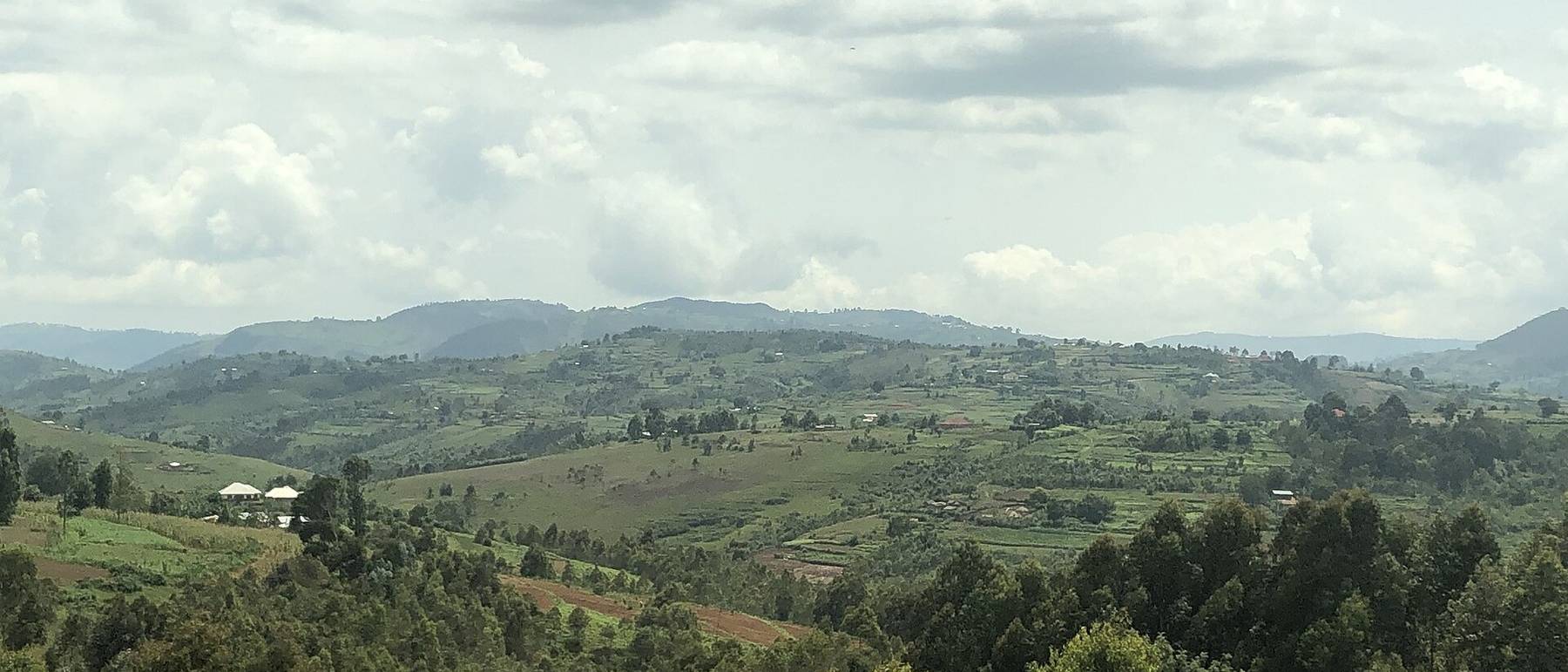
Photo : Kat257, CC BY-SA 4.0 — Photo credits