Stop 1 of 9
Reception
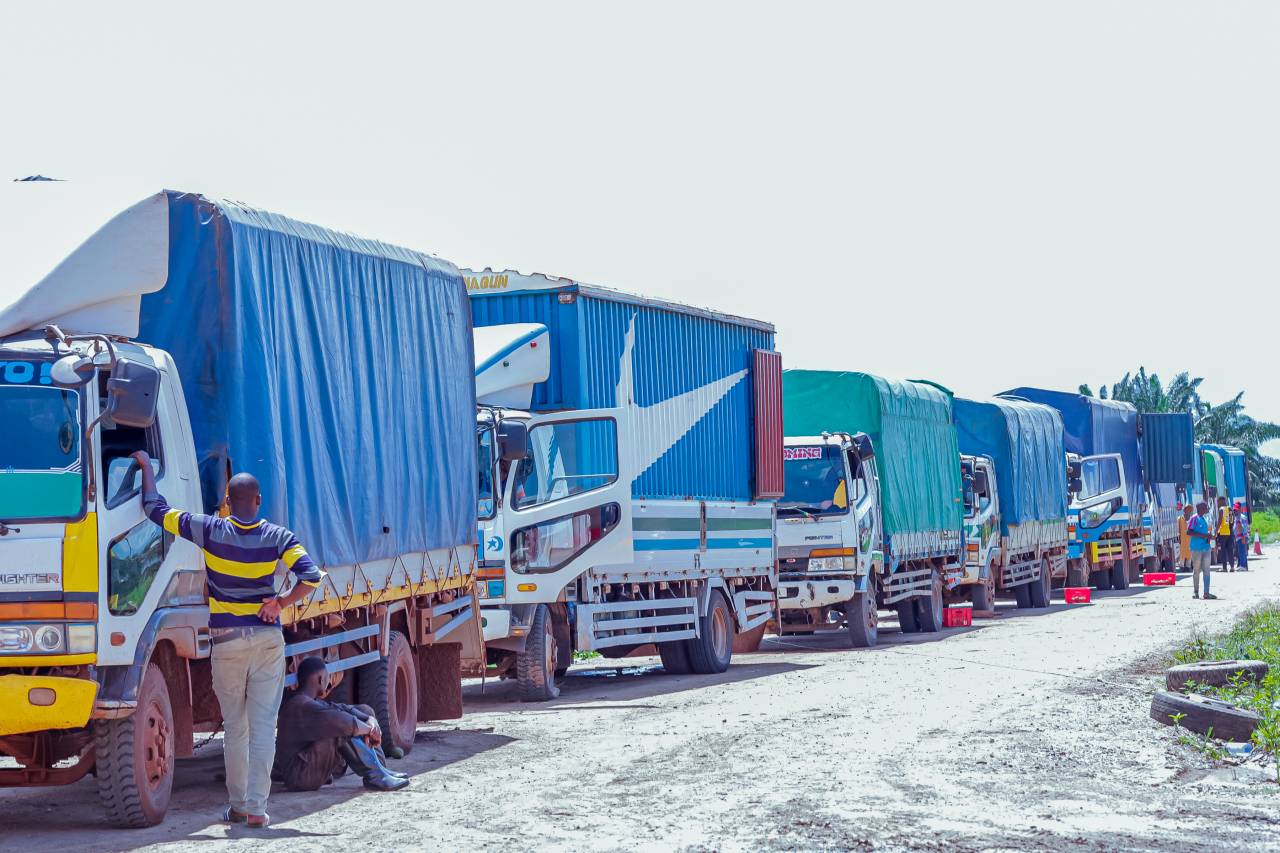
Every truck is weighed on arrival; every lot is tied to its supplier, origin and variety. A sample goes to the laboratory before unloading.
Virtual tour
Photographs of the Ngagara plant, February 2026. Tap the dots to open a detail; use the arrow keys or swipe to move on.
Stop 1 of 9
Every truck is weighed on arrival; every lot is tied to its supplier, origin and variety. A sample goes to the laboratory before unloading.
Stop 2 of 9
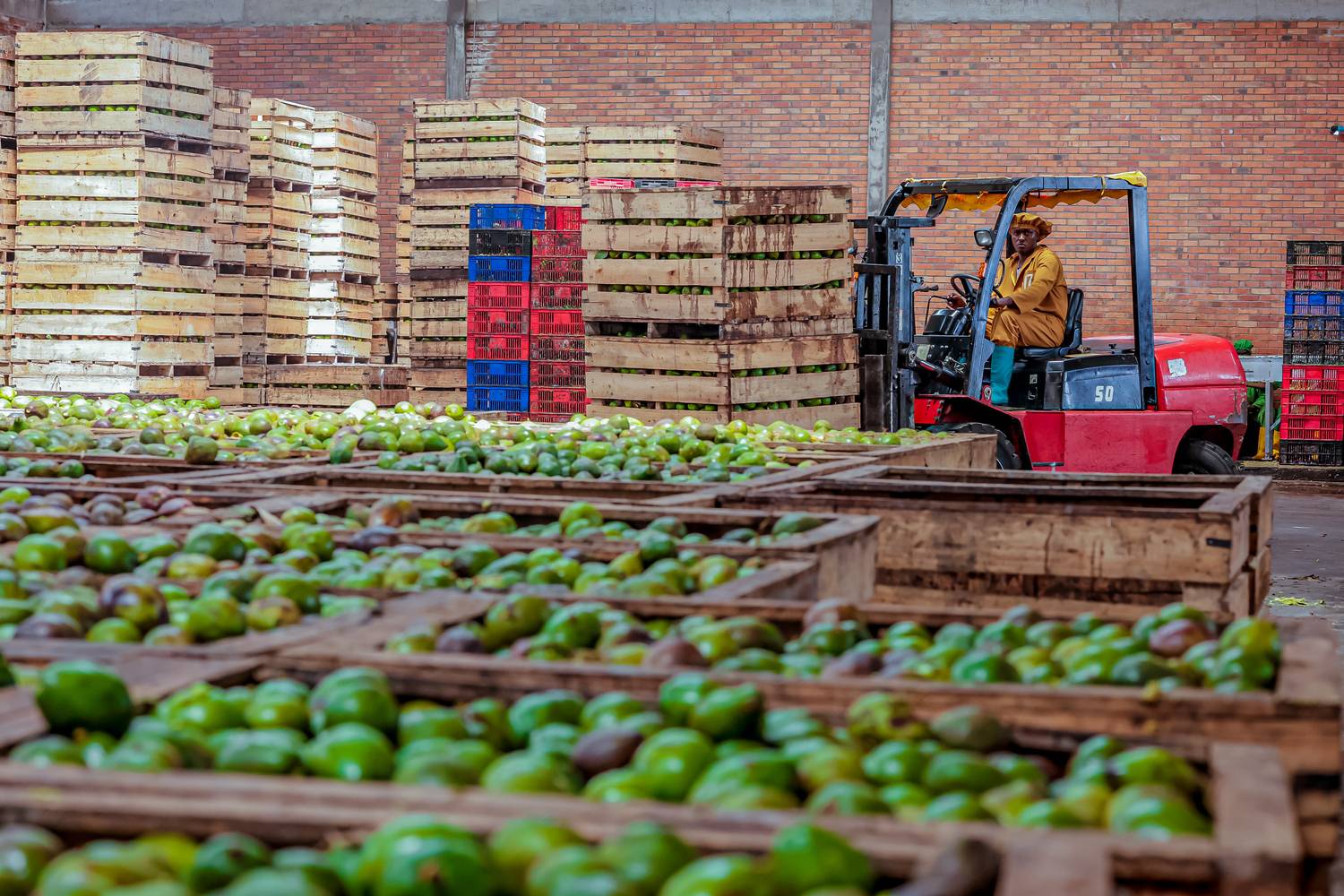
Open crates let the fruit breathe. It waits here to ripen: the oil comes free when the flesh softens.
Stop 3 of 9
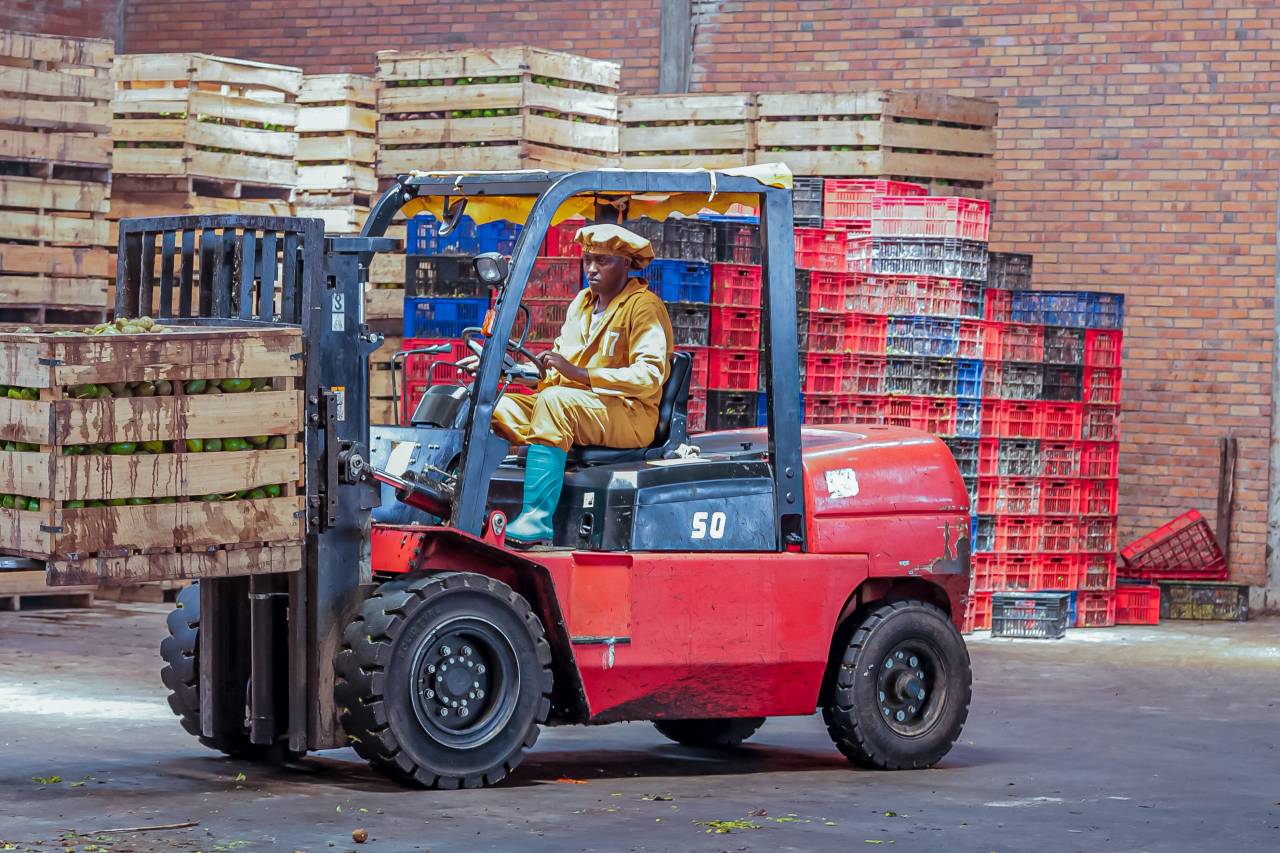
Lots move from the yard to the ripening rooms, then to the line — called up by ripeness rather than by order of arrival.
Stop 4 of 9
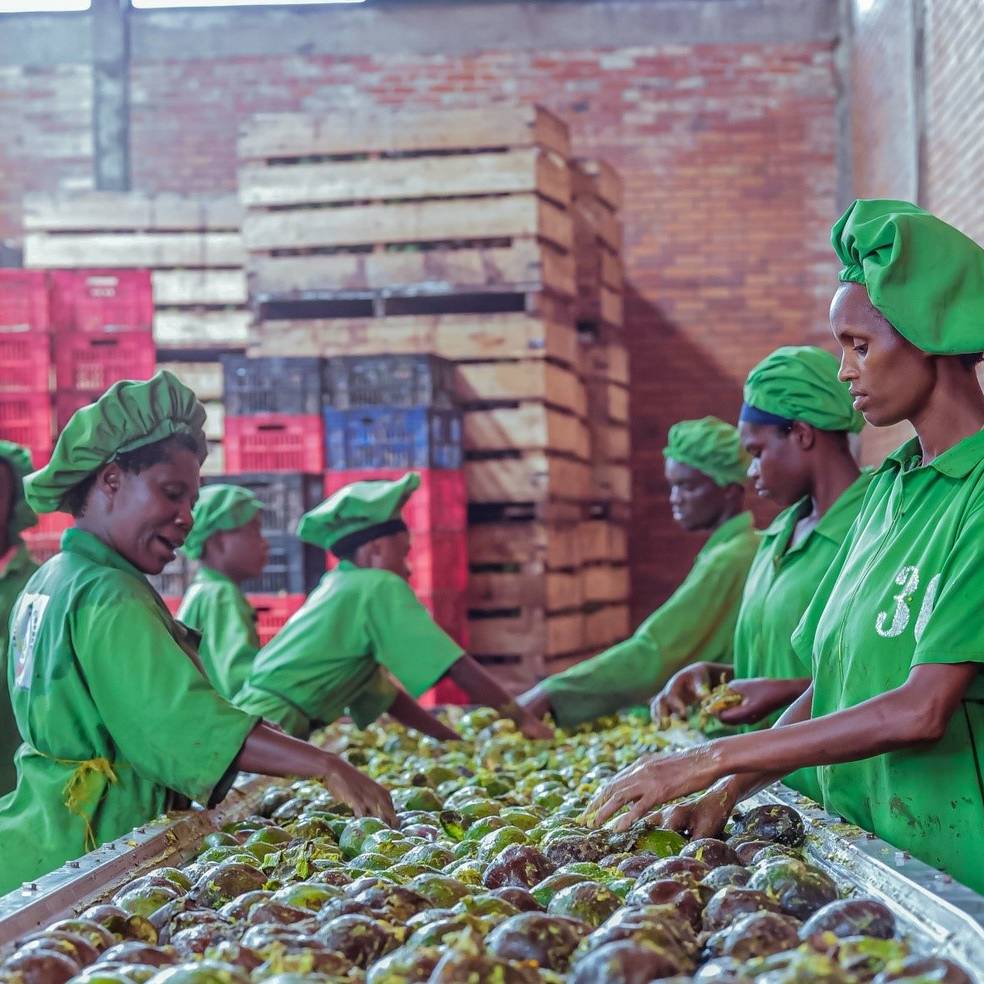
On the sorting table, damaged fruit is removed by hand. One rotten fruit gives a rancid oil: sorting is the first analysis.
Stop 5 of 9
Double immersion and a shower: the soil goes, and the skin is disinfected before the fruit is opened.
Stop 6 of 9
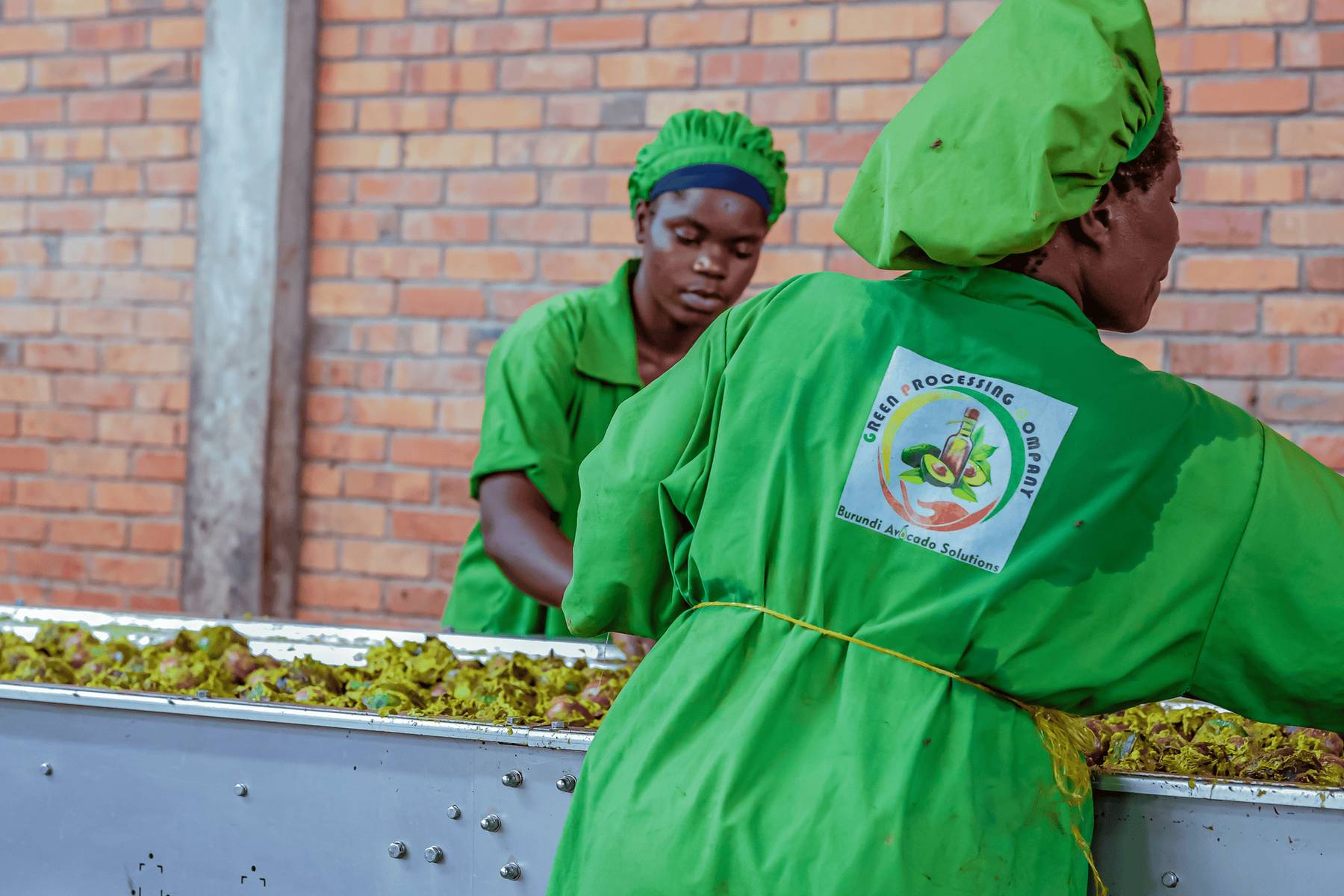
The flesh becomes a paste, the paste is mixed slowly, then a decanter splits it into three streams: oil, water, pulp. No solvents.
Stop 7 of 9
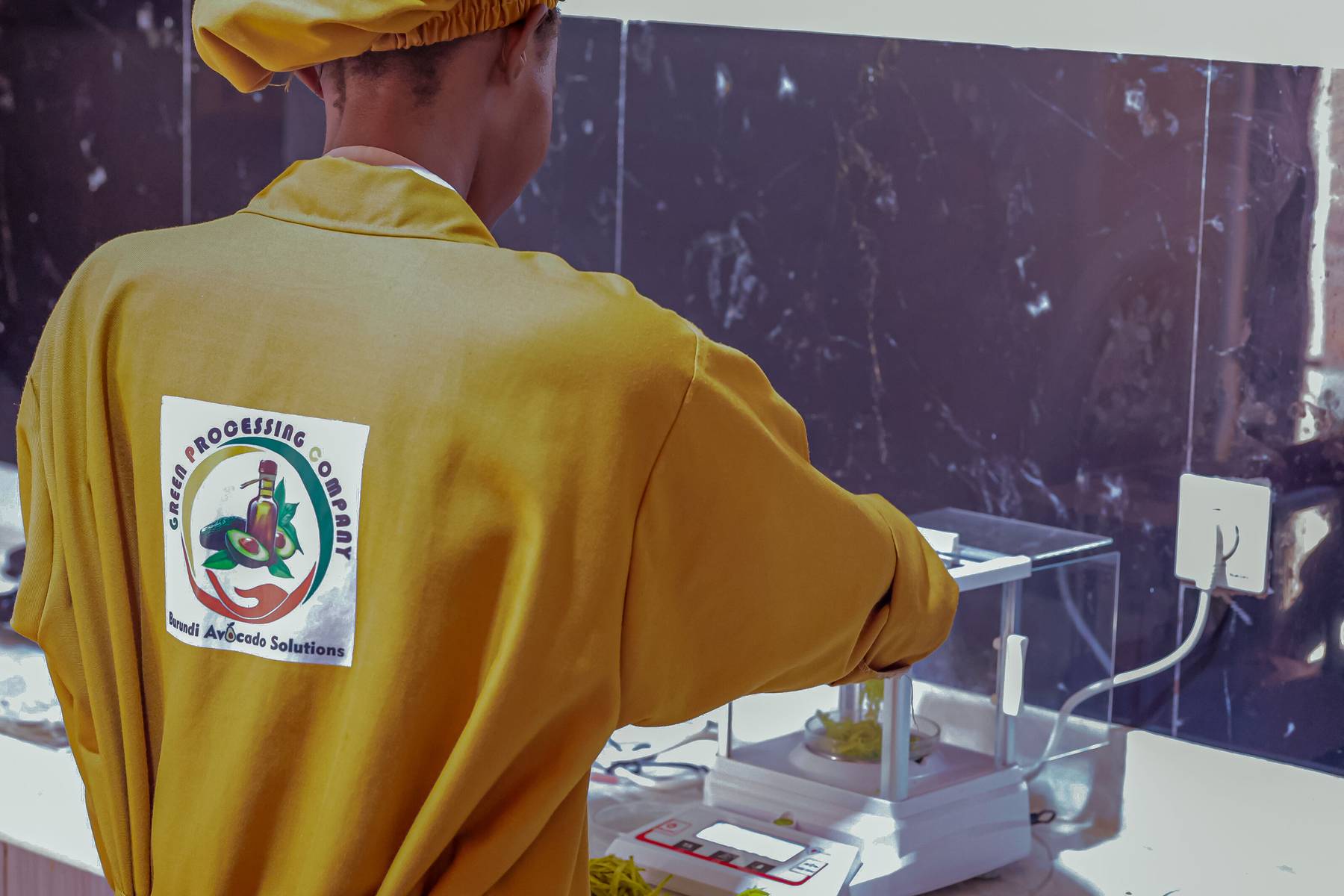
Ten metres from the press: acidity, peroxide, moisture, fatty-acid profile. Every tank is a lot; no lot ships without its certificate.
Stop 8 of 9
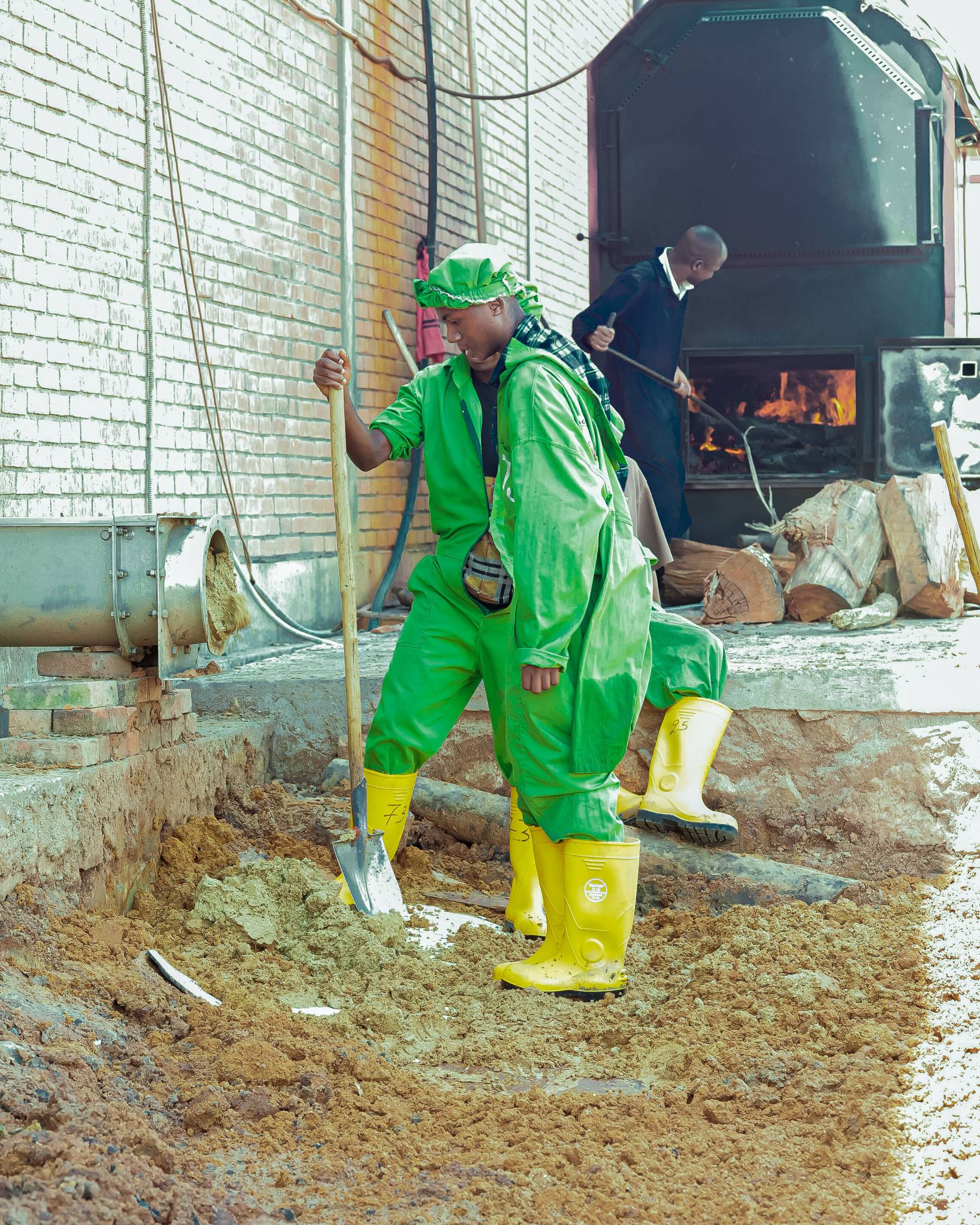
Pits, skins, pulp and process water — 80 to 90% of the fruit’s mass — go to compost, to briquettes and, tomorrow, to the digester.
Stop 9 of 9
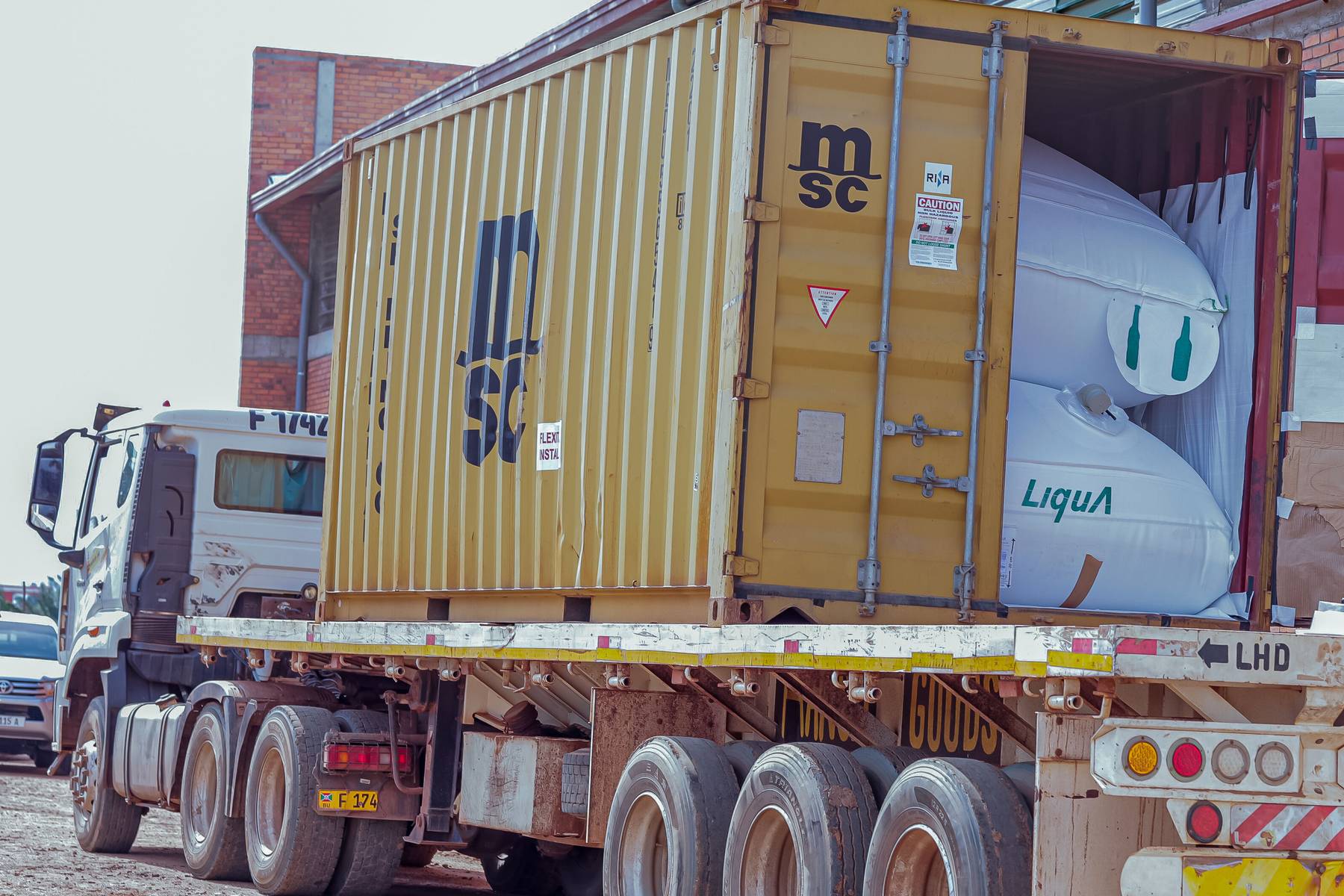
The oil leaves by Flexitank, IBC or drum, with its seal numbers on the certificate and two retained samples kept.
Visits to the Ngagara plant are arranged by appointment: buyers, partners, schools.