Green Processing Company · Ngagara, Bujumbura · Burundi

L’Avocat d’AfrikaL’Avocat des Barundi Virtual tourTour

The plant

Twelve stations, one loop, no solvent.

Tap a station to open it: what happens there, the parameter that matters, what the laboratory checks and one fact worth remembering. The photographs were taken at the Ngagara plant in February 2026. The parameters are those published for cold-press lines by equipment makers and scientific journals; the plant’s own settings are shared with buyers and partners.

The explorer

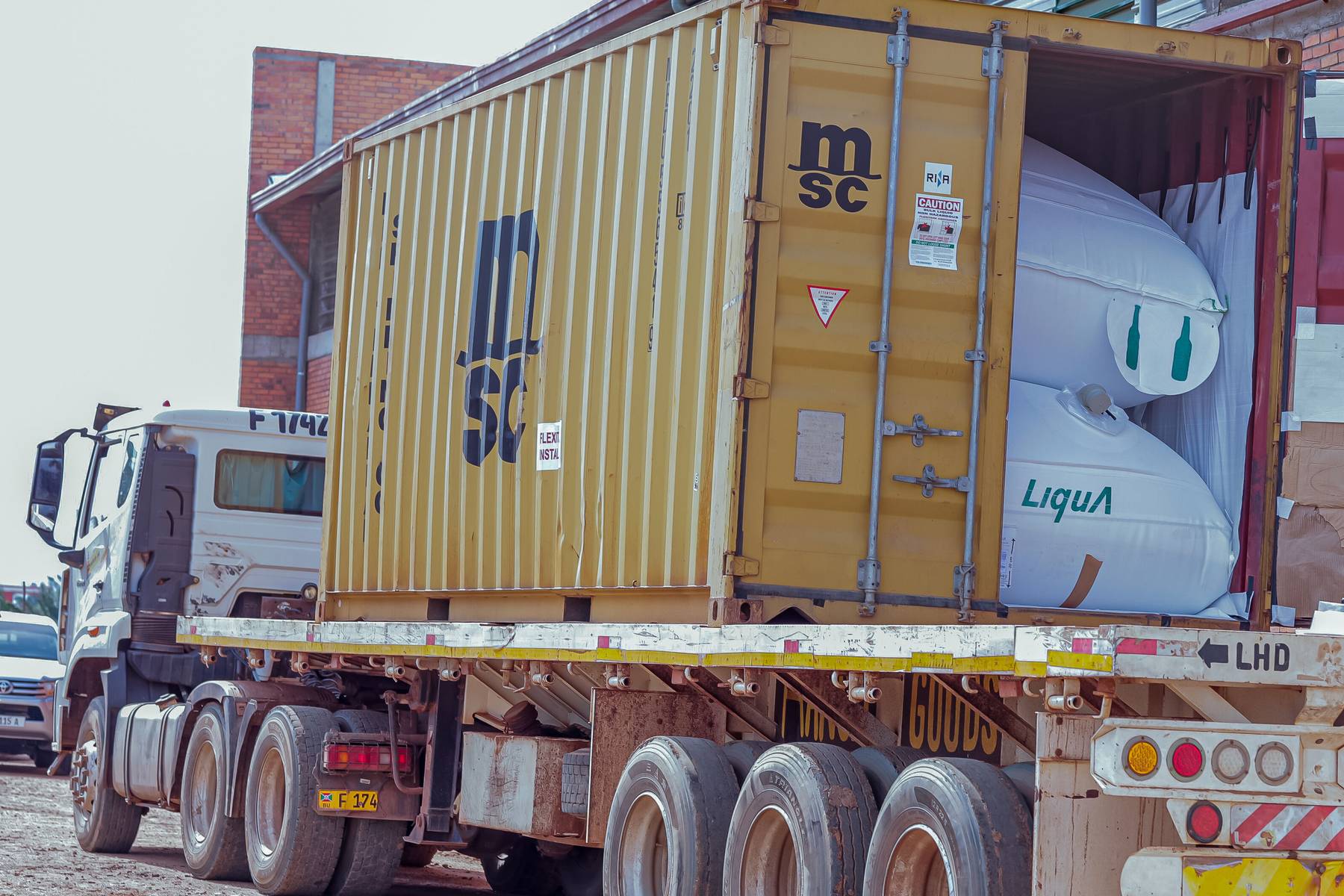
From the truck to the Flexitank.

Tap a station to open it. Arrow keys move to the next one.

to the fields 01 Reception andweighbridge 02 Ripening 03 Sorting, washing,sanitising 04 De-stoning andpeeling 05 Disc crusher 06 Malaxers 07 Horizontaldecanter 08 Disc-stackseparator 09 Laboratory 10 Settling andstorage 11 Loading andexport 12 The residue loop
Reception and weighbridge

Station 01 of 12

Reception and weighbridge

What happens
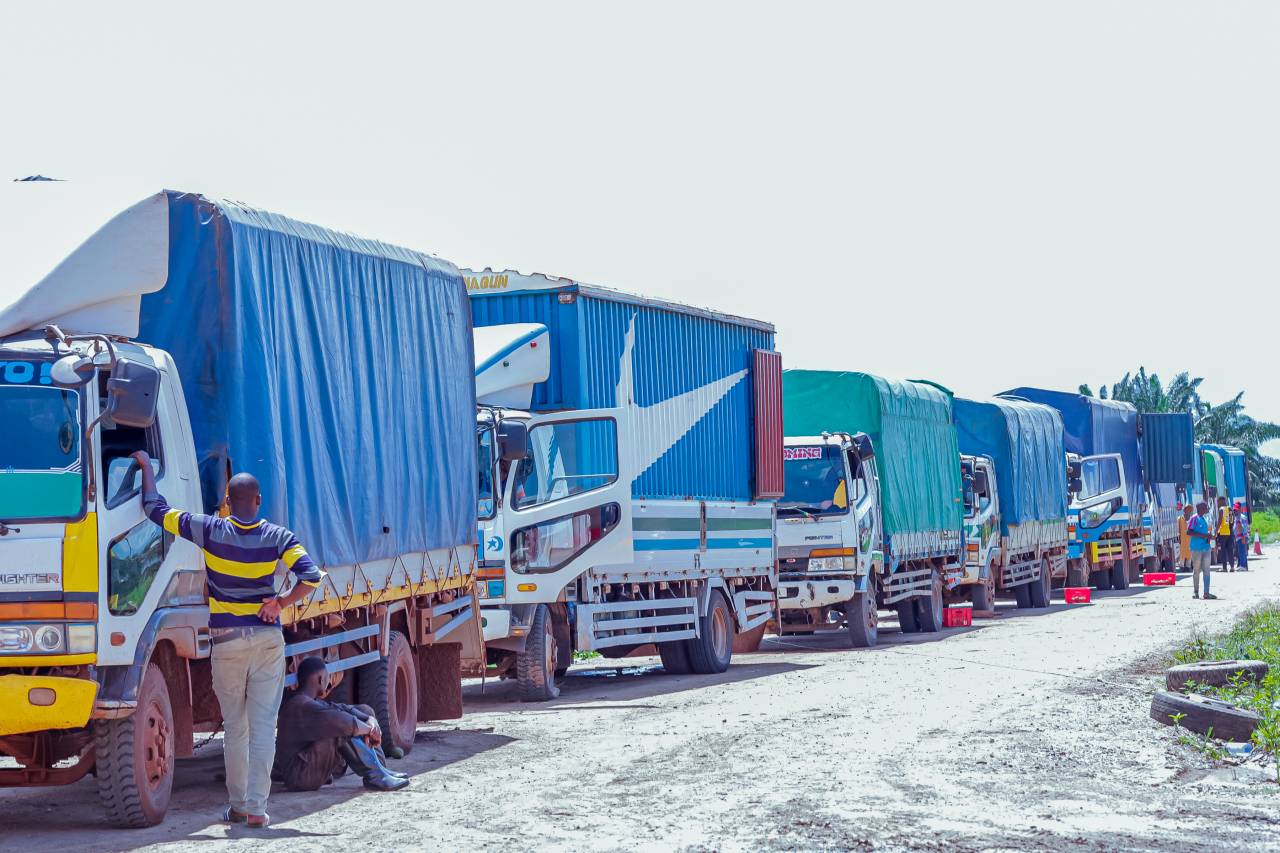
Every truck is weighed, every lot tied to its supplier, origin and variety. A sample goes to the laboratory before unloading even starts.
The parameter that matters
1,000 t/day at peak ≈ 100 to 140 trucks of 7 to 10 tonnes. One lot = one truck.
What the laboratory checks
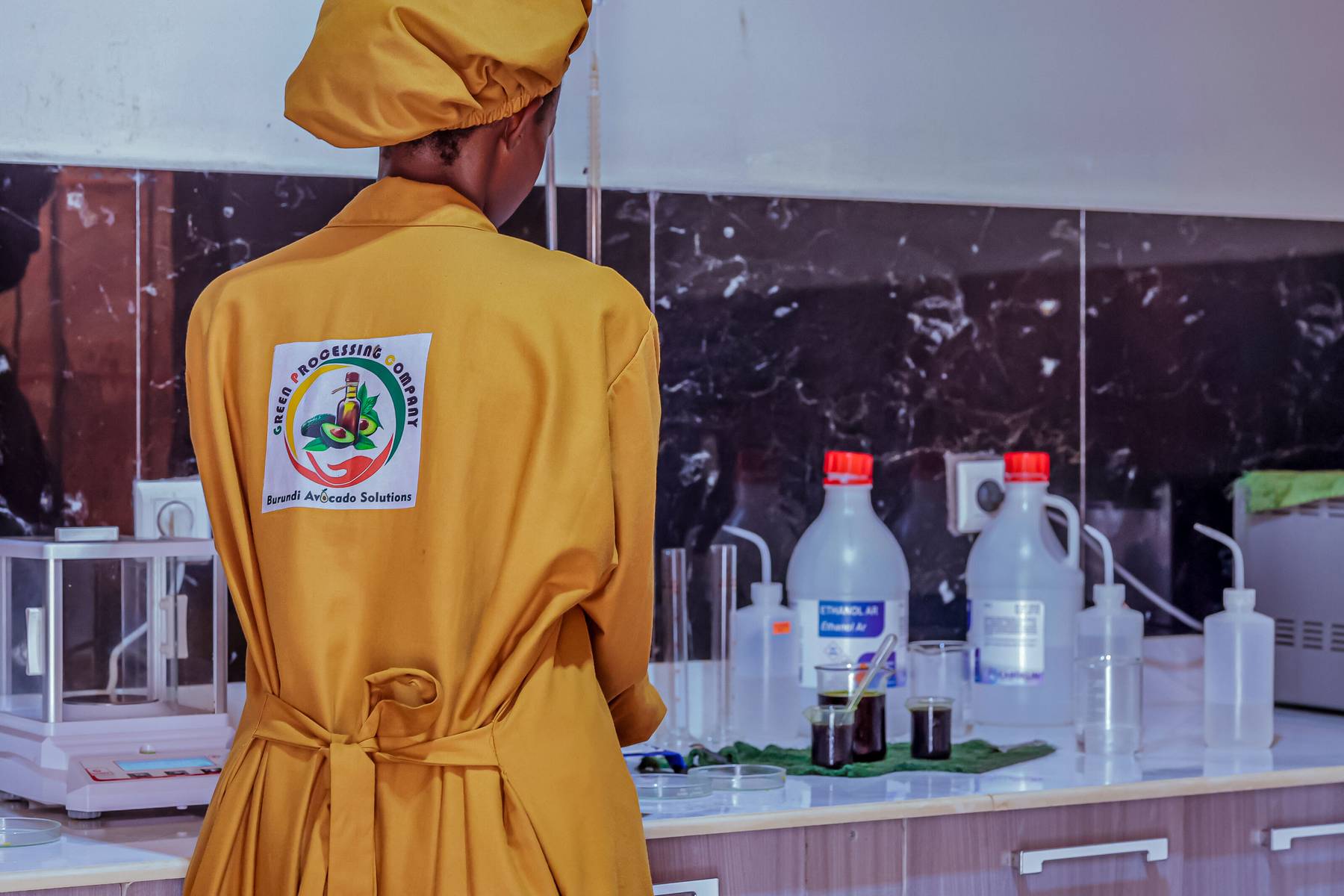
Fruit dry matter (Hass: at least 20.8%), defect count, oil content.

Worth rememberingSince growers organised, the price of export fruit rose from about USD 0.10 to 0.70 a kilo in one year.
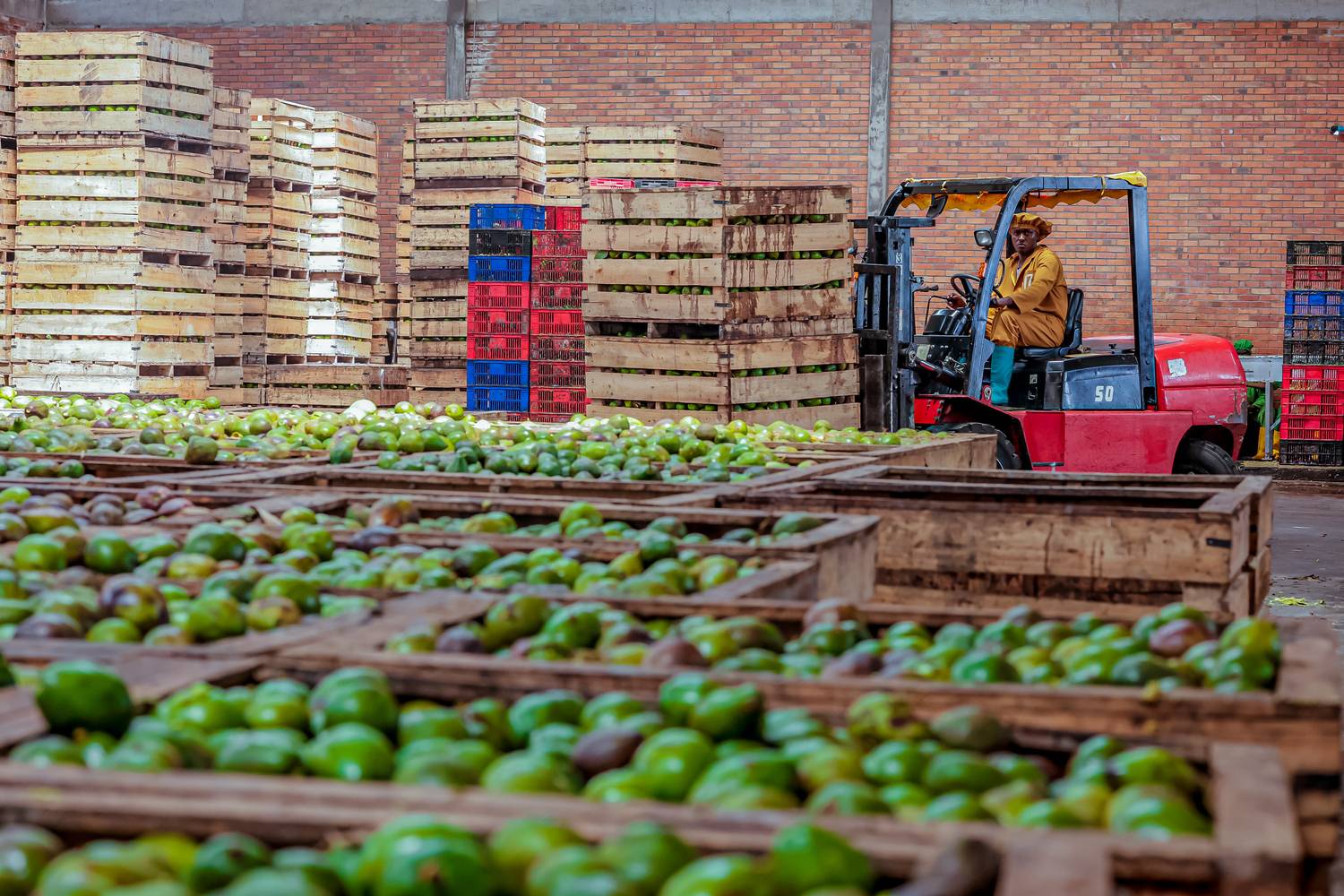
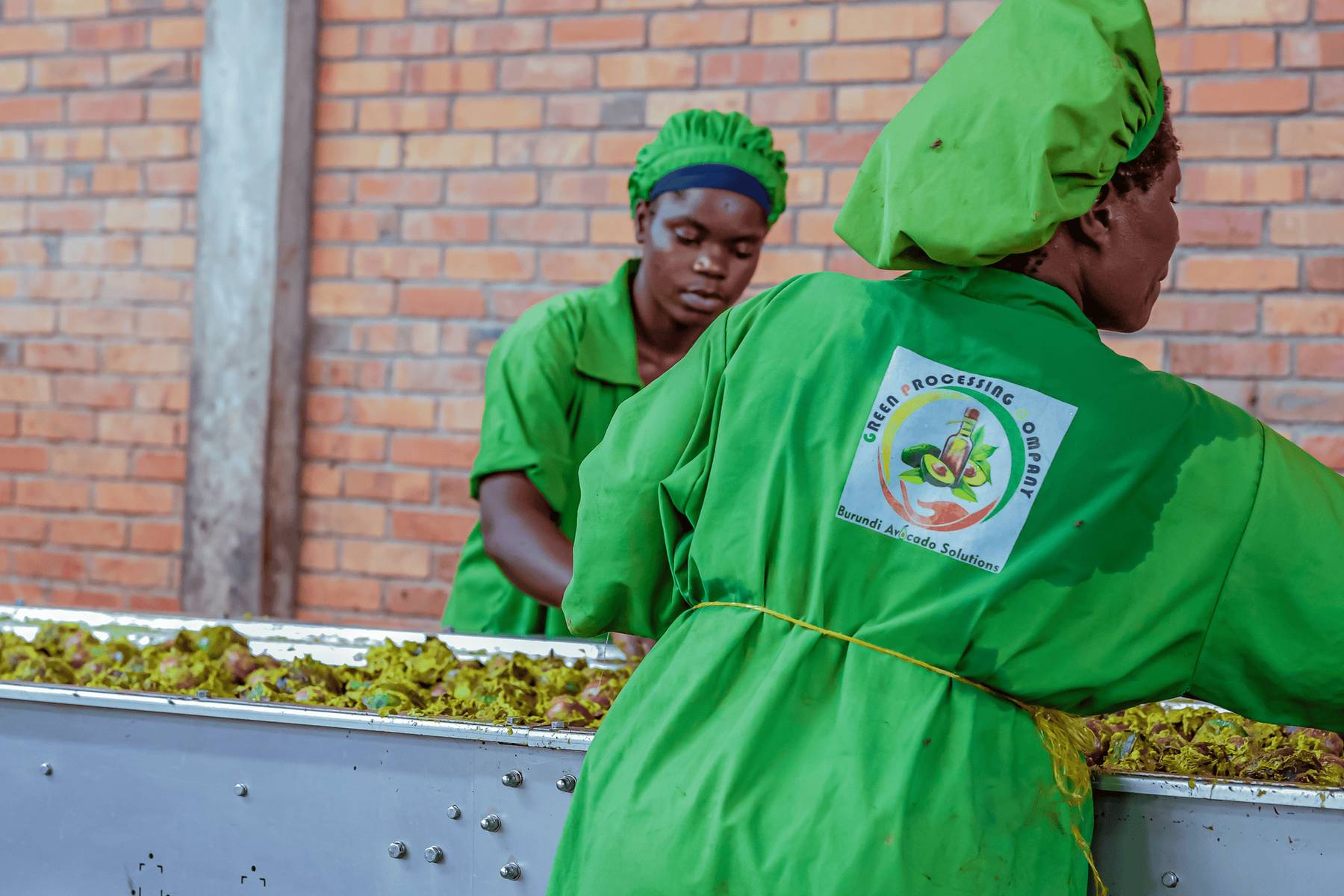
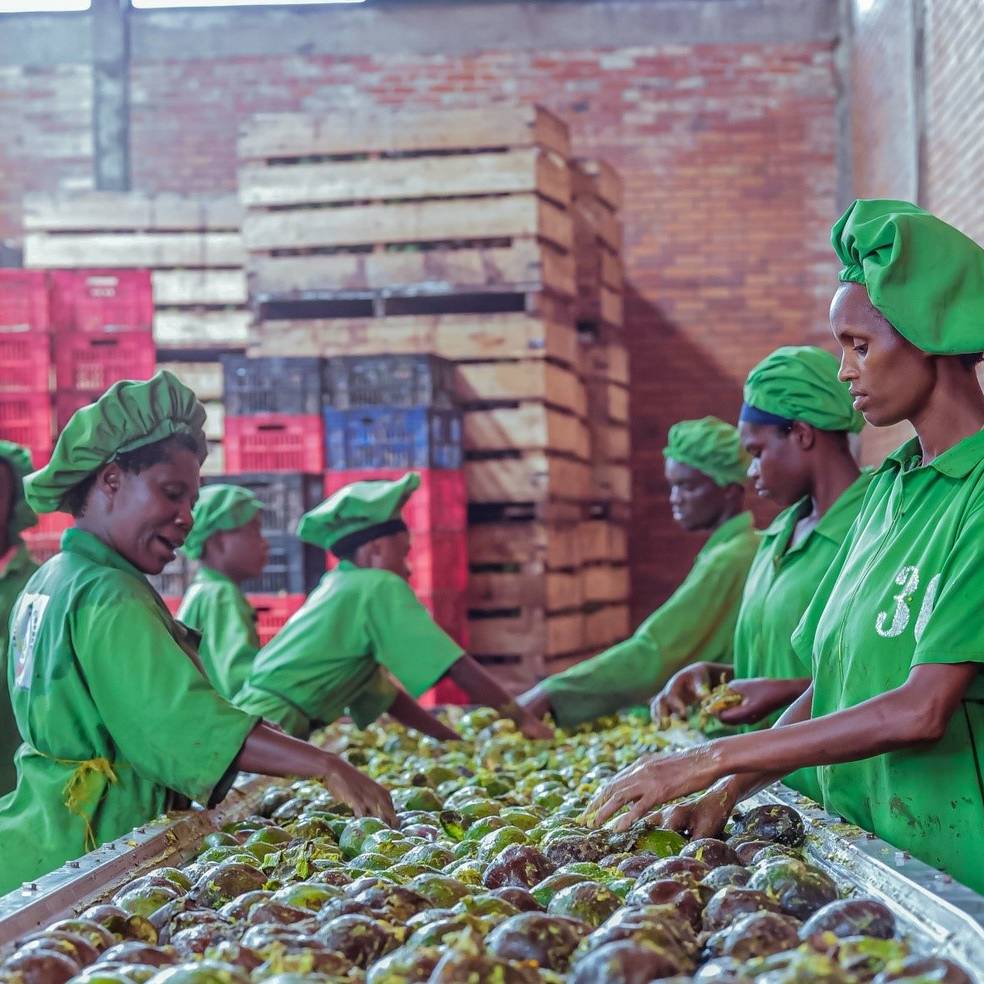
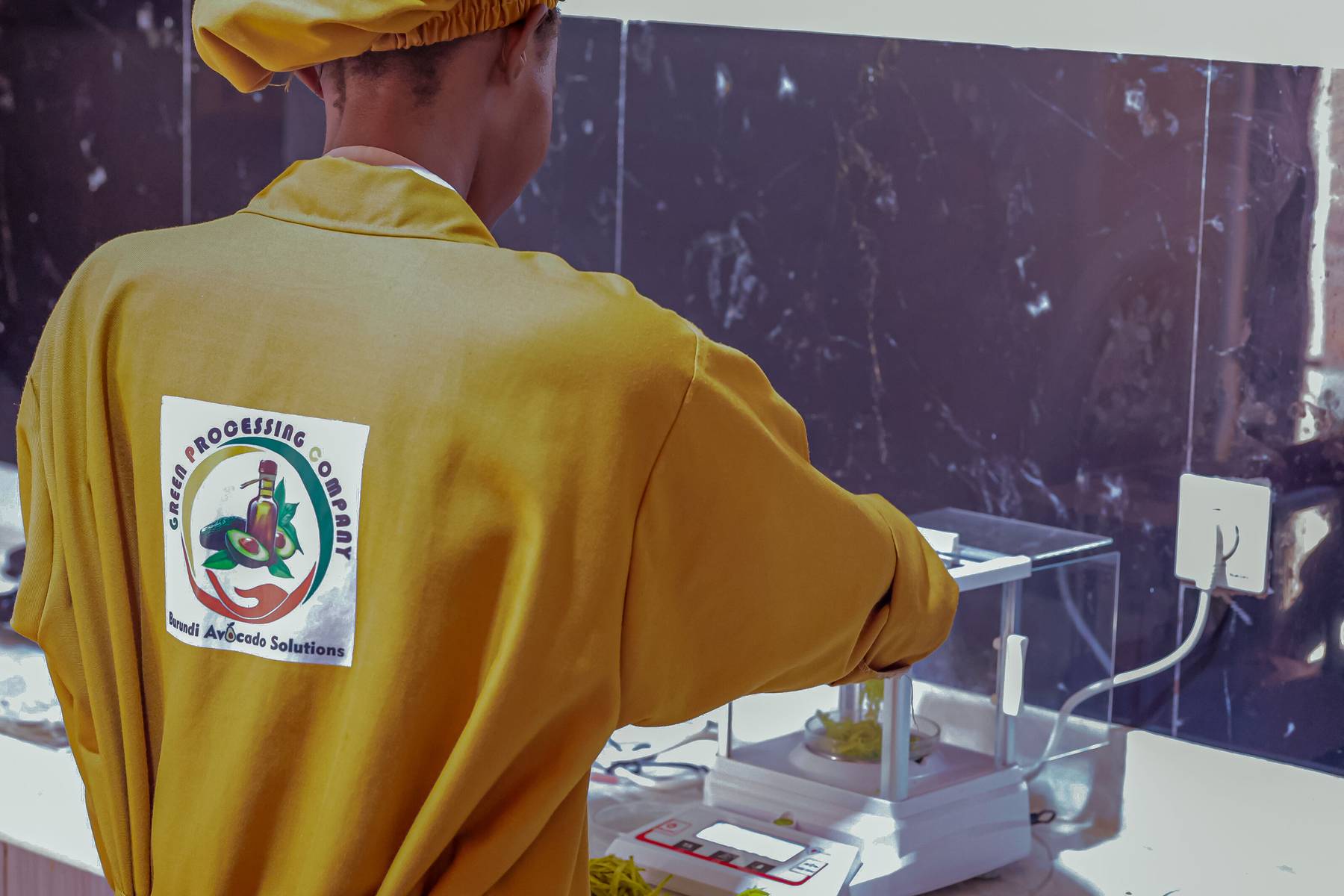
Photographs: Ngagara plant, Bujumbura, February 2026.

Energy, water, effluent

What one tonne of fruit consumes.

Published orders of magnitude for cold-press lines (estimates drawn from manufacturers’ data sheets): they size the rooftop solar for the daytime load and the biogas for the night and outages. The plant’s measurements will be published season after season.

Bujumbura’s solar resource: 5.0 to 5.5 kWh/m² a day. A 1.0 to 1.5 MWp array would cover most of the 9 am to 4 pm load without batteries; a biogas engine on cake and effluent covers the night (estimate).

15–60 kWhof electricity per tonne of fruit
23–26 kWhof low-temperature heat per tonne, for malaxing
0.4–1.0 m³of fresh water per tonne
0.6–1.5 m³of effluent per tonne — the plant’s richest methane substrate

The plant

The seven steps in brief

  1. 01

    Reception and logistics

    Avocados arrive by truck from the growing areas. Every delivery is weighed and recorded by origin and variety.

  2. 02

    Storage and ripening

    The fruit is stored in crates, by lot, in a ventilated warehouse until it is ripe for pressing.

  3. 03

    Sorting and preparation

    The fruit is sorted, washed, sanitised and de-stoned.

  4. 04

    Inspection and hygiene

    A visual inspection removes non-compliant fruit. Workstations follow a hygiene plan.

  5. 05

    Pressing and laboratory control

    The fruit is crushed, malaxed below 50 °C and separated by centrifugation. The laboratory analyses every lot of oil.

  6. 06

    Purity and authenticity certification

    Every lot receives a certificate of analysis. Traceability runs back to the origin of the fruit.

  7. 07

    Packing and dispatch

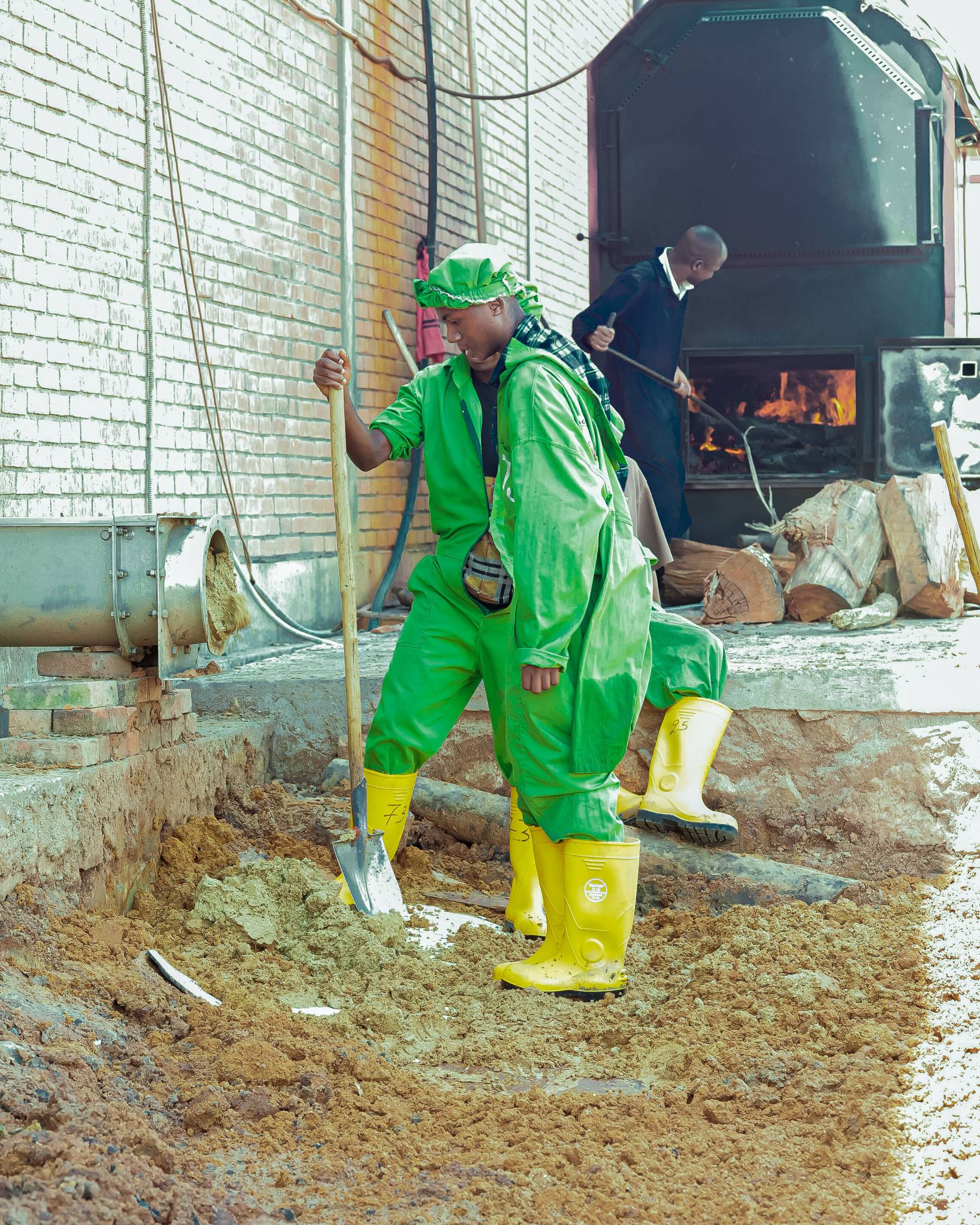
    The oil is packed in Flexitank, IBC or drums and shipped to regional and international markets.